
Have you ever felt completely lost scrolling through Instagram or WhatsApp forwards about what to eat? One post screams “never eat rice again,” another swears by keto for Indians, while your grandmother insists ghee is medicine and your doctor warns about mangoes. In the middle of this chaos sits a new book that feels like a calm, wise friend who actually knows the science: Smart Calories and Common Sense: An Evidence-Based Guide to Indian Diets by Dr. Anoop Misra.
Published in April 2026 by Bloomsbury India, this 256-page powerhouse is not another trendy diet manual. It is a meticulously researched, India-specific, no-nonsense guide written by one of the country’s most respected endocrinologists. With over 300 scientific references and decades of clinical experience at AIIMS and Fortis C-DOC, Dr. Misra has finally given Indians what we desperately needed — a book that respects our food culture while holding every claim up to rigorous evidence.
This review goes far beyond a summary. Over the next several thousand words, we will walk through why this book matters right now, what it actually says (without spoiling the joy of reading it), how it handles controversial topics like keto, intermittent fasting, rice, ghee, and mangoes, and whether it truly delivers on its promise of “common sense.” Grab a cup of chai (yes, in moderation) and settle in.
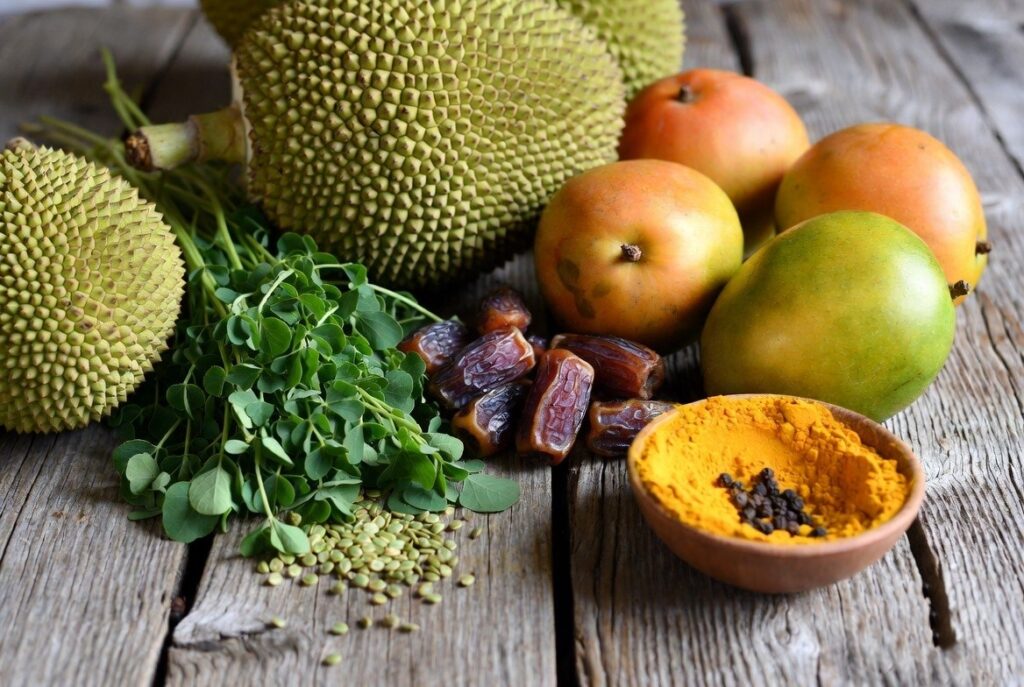
Table of Contents
Why India Needed “Smart Calories and Common Sense” in 2026
India is facing an unprecedented metabolic health crisis. Type 2 diabetes affects over 10% of adults, abdominal obesity is rising even among the young, and heart disease strikes Indians a decade earlier than Western populations. At the same time, our information environment has never been noisier. Influencers, celebrity nutritionists, and global diet trends collide with traditional wisdom, creating massive confusion.
Most popular diets — keto, intermittent fasting, “diabetes reversal” programs, extreme low-carb — are either borrowed from Western contexts or promoted without sufficient long-term Indian data. Many of us end up feeling guilty about eating rice, avoiding our favorite fruits, or spending money on unnecessary supplements.
Dr. Misra’s book arrives exactly when we need it most. It does not demonize Indian food. It does not promise miraculous reversals. Instead, it returns to fundamentals: understand calories in the context of your body, your culture, and your life — then apply common sense.
Who Is Dr. Anoop Misra and Why Trust Him?
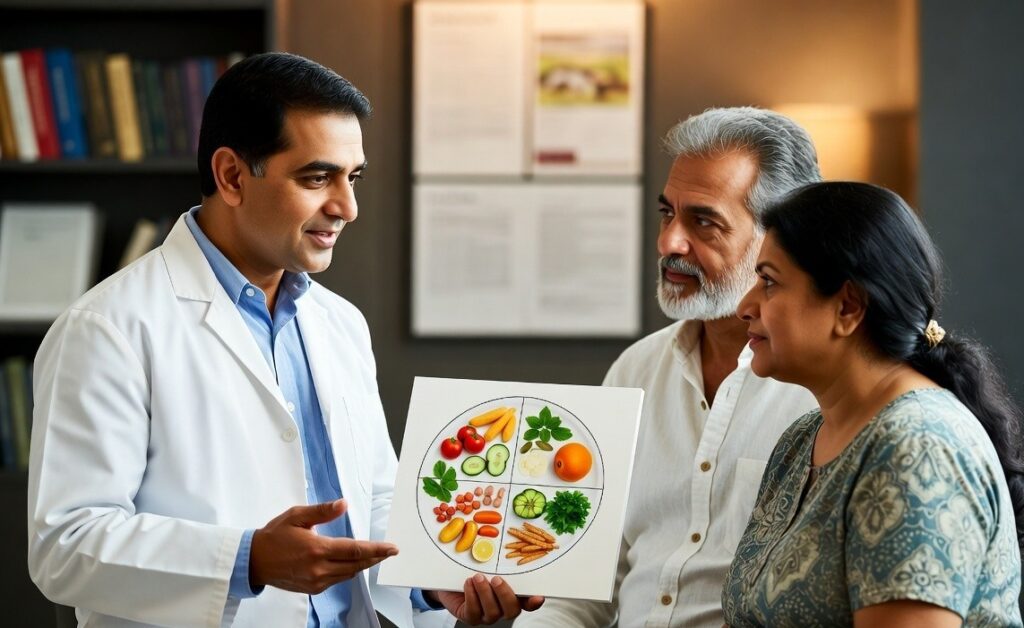
Before we dive into the content, it helps to know the man behind the words. Dr. Anoop Misra is not a wellness influencer. He is a Padma Shri awardee, former head of the Department of Medicine at AIIMS, and currently Chairman of Fortis C-DOC Centre for Diabetes, Obesity and Cholesterol. He has contributed to global guidelines from WHO and the International Diabetes Federation.
What makes this book special is the combination of rigorous science and decades of sitting across from Indian patients. He has heard every question: “Sir, can I eat mangoes?”, “How much ghee is too much?”, “Is rice poison?”, “Should I do keto like my cousin in the US?”
The book distills those thousands of conversations into clear, evidence-based answers. It is written in accessible language with “Easy Reading” sections that feel like the best kind of WhatsApp forward — short, shareable, and actually accurate.
The Central Thesis: Smart Calories, Not Demonized Calories
The title itself is a masterstroke. “Smart Calories” acknowledges that calories matter — energy balance is real — but context, food quality, portion size, frequency, and individual metabolism matter even more. “Common Sense” is the missing ingredient in most modern nutrition advice.
Dr. Misra repeatedly emphasizes that there are no inherently “good” or “bad” foods in isolation. A food’s impact depends on:
- How much you eat
- How often you eat it
- What you eat it with
- Your overall lifestyle and metabolic health
This nuanced view is refreshing in a world of binary thinking. He defends foods that have been unfairly vilified (rice in moderation, mangoes for diabetics with proper portioning, properly used ghee) while cautioning against over-reliance on any single approach.
One of the most powerful sections explains how pairing foods changes their metabolic effect. Chickpeas with rice, for example, can moderate post-meal glucose spikes. Turmeric’s benefits multiply dramatically when combined with black pepper. These are not fads — they are practical, evidence-backed insights rooted in Indian cooking traditions.
Busting the Big Diet Myths — With Indian Data
This is where the book truly shines and where many readers will feel seen.
Keto and Very Low-Carb Diets Dr. Misra examines the evidence carefully. While short-term weight loss can occur, sustainability and long-term safety in the Indian context (where carbohydrate staples are culturally central and many people have high physical activity or different metabolic profiles) raise concerns. He does not outright ban keto but explains who might benefit, who should avoid it, and why “Indian keto” often looks very different from Western versions.
Intermittent Fasting The book acknowledges the popularity of time-restricted eating but notes that strong evidence for superiority over simple calorie control is still lacking for most people. It discusses safety considerations, especially for women, older adults, and those with diabetes on medication. Again, common sense prevails: if it works for you sustainably and you feel good, great — but it is not magic.
Diabetes Reversal and “Cure” Claims This is handled with clinical honesty. Significant improvement in blood sugar control and even remission is possible for many through weight loss and lifestyle change, especially early in the disease. However, the book is careful not to overpromise. Genetics, duration of diabetes, and individual response vary. It focuses on realistic, sustainable improvement rather than dramatic headlines.
Rice, Roti, and Staple Carbs Perhaps the most liberating section for many Indian readers. Complete avoidance of rice or rotis is usually unnecessary and often unsustainable. The key is portion size, the type of grain (millets, brown rice, or smaller portions of white rice), and what accompanies it. The book provides practical frameworks rather than blanket prohibitions.
Indian Superfoods Get the Respect They Deserve
One of the joys of this book is how it celebrates Indian ingredients with proper scientific scrutiny rather than marketing hype.
Jackfruit, fenugreek (methi), dates, mangoes, ragi, chickpeas, turmeric, and various nuts and seeds are analyzed in depth. You will learn:
- Why jackfruit can be a valuable part of the diet for many (fiber, nutrients, low glycemic impact in certain preparations)
- How fenugreek seeds and leaves offer benefits for blood sugar and lipids
- The reality of mangoes for people with diabetes — not forbidden, but portion and pairing matter
- Why ragi is nutritionally impressive despite its glycemic index
- How traditional combinations (like turmeric + pepper) have solid biochemical backing
The book avoids both the “everything Indian is superfood” exaggeration and the dismissive “these have no special powers” stance. It strikes a beautiful middle ground: respect your food heritage, understand the mechanisms, and use ingredients intelligently.
The Vegetarian Question and Building a Truly Balanced Thali
India has one of the world’s largest vegetarian populations, yet many vegetarians struggle with protein quality, B12 status, and hidden deficiencies. Dr. Misra addresses this with honesty and practicality.
He acknowledges that well-planned vegetarian diets can be excellent but often require more attention to protein sources, combinations, and sometimes supplementation (especially B12). The book does not push meat-eating nor shame vegetarianism. It simply gives readers the tools to assess their own plate.
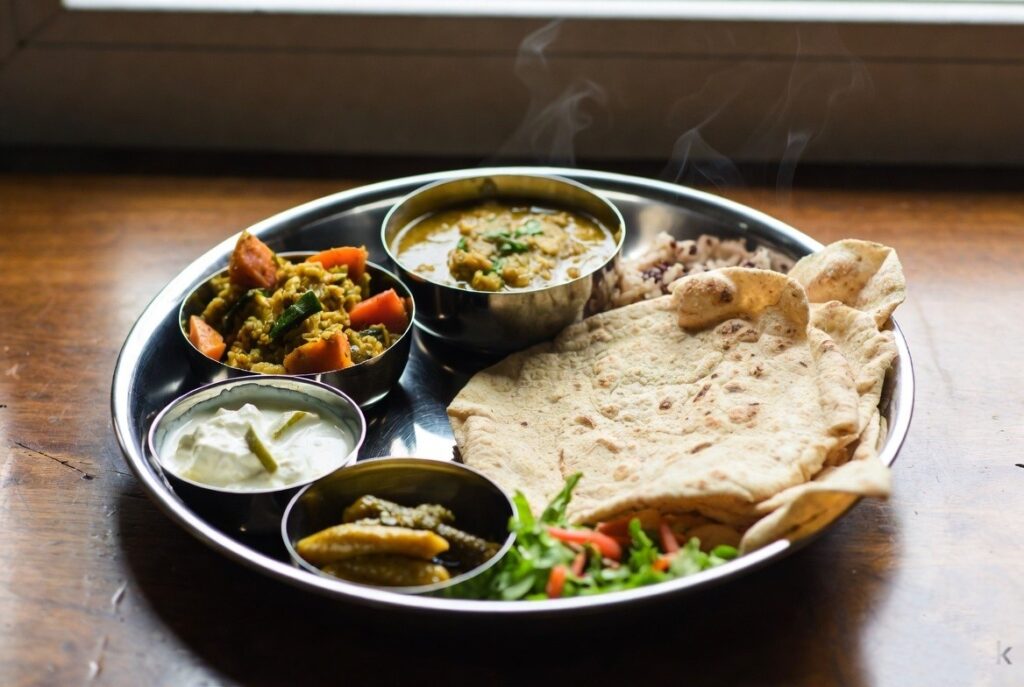
The concept of the balanced thali — variety, color, proportion, and satisfaction — runs through the book like a golden thread. Rather than rigid rules, Dr. Misra encourages readers to understand principles and adapt them to their regional cuisine, budget, and preferences. South Indian, North Indian, East, or West — the fundamentals of smart calories and common sense travel well.
Supplements, Artificial Sweeteners, and the Commercial Food Reality
This section alone is worth the price of the book for many readers.
Dr. Misra is refreshingly skeptical about the supplement industry. While certain supplements have clear roles (Vitamin D in deficient populations, B12 for many vegetarians, specific cases under medical supervision), he argues that most people can meet needs through food when they eat a varied, balanced diet. Expensive protein powders and “superfood” blends often deliver more marketing than measurable benefit for the average person.
Artificial sweeteners receive a balanced, evidence-based discussion. They can be useful tools for reducing sugar intake in some people, but they are not risk-free or magical. The book helps readers make informed personal choices rather than following blanket recommendations.
Commercial foods like popcorn, French fries, packaged snacks, and restaurant meals are addressed with calorie and portion context. The message is empowering: you do not have to live in a cave. You can enjoy these occasionally if you understand their place in your overall pattern.
Practical Takeaways You Can Use Immediately
One of the book’s greatest strengths is its actionability. Here are some principles that stand out:
- Focus on overall dietary pattern rather than single foods.
- Prioritize whole foods and home cooking most of the time.
- Understand that portion size and frequency matter enormously.
- Pair foods strategically (protein + fiber + healthy fat with carbs).
- Move your body daily — diet and physical activity are partners.
- Reduce unnecessary fear and guilt around food.
- Get regular check-ups and personalize advice with your doctor.
The “Easy Reading” boxes throughout make these takeaways even more accessible for quick reference or sharing with family.
Strengths of the Book
- Truly evidence-based with hundreds of references
- Deeply India-centric without being parochial
- Balanced and non-dogmatic tone
- Excellent for both lay readers and healthcare professionals
- Practical rather than preachy
- Addresses the emotional and cultural aspects of eating
Minor Areas Where It Could Be Stronger
No book is perfect. Some readers (especially from South India or certain regional cuisines) may wish for more diverse recipe examples or regional adaptations. The discussion of non-vegetarian foods is relatively brief. A few more visual aids, sample meal plans, or a dedicated chapter on cooking methods and oil choices could have made an already excellent book even more user-friendly for complete beginners.
These are minor points in an otherwise outstanding work.
Who Should Read “Smart Calories and Common Sense”?
- Anyone confused by conflicting nutrition advice online
- People with diabetes, prediabetes, or family history of metabolic issues
- Weight-conscious individuals tired of yo-yo diets
- Vegetarians wanting to optimize their diet scientifically
- Doctors, dietitians, and nutrition students
- Parents wanting to set healthy eating foundations for their children
- Anyone who loves Indian food and wants to enjoy it without guilt or confusion
In short, this is a book for almost every Indian household.
Atomic Habits Book Review 2026: How James Clear’s Tiny Changes Saved My Chaotic Life

Final Verdict: A Landmark Book for Indian Nutrition
Smart Calories and Common Sense is not the flashiest nutrition book. It will not promise you six-pack abs in 30 days or tell you to eliminate entire food groups forever. What it offers is far more valuable: clarity, confidence, and a sustainable path forward rooted in both science and the realities of Indian life.
Dr. Anoop Misra has done something rare. He has written a book that respects both the laboratory and the Indian kitchen. In a field crowded with noise, this is the sound of genuine expertise delivered with humility and common sense.
If you have ever felt anxious about what to put on your plate, if you are tired of extremes, or if you simply want to understand the “why” behind nutrition recommendations rather than follow rules blindly, this book belongs on your shelf — and more importantly, its principles belong in your daily life.
Read it. Share the key ideas with your family. Apply what makes sense for you. And enjoy your meals with a little less fear and a lot more wisdom.
Rating: 9.5/10 — One of the most important Indian health books of the decade.
Whether you buy the book today or start applying its core philosophy of smart calories and common sense tomorrow, one thing is clear: Indian nutrition finally has the evidence-based, culturally grounded guide it has long deserved.
Thank you, Dr. Anoop Misra, for this gift of clarity.
visit to me at QUORA
follow me on SPOTIFY