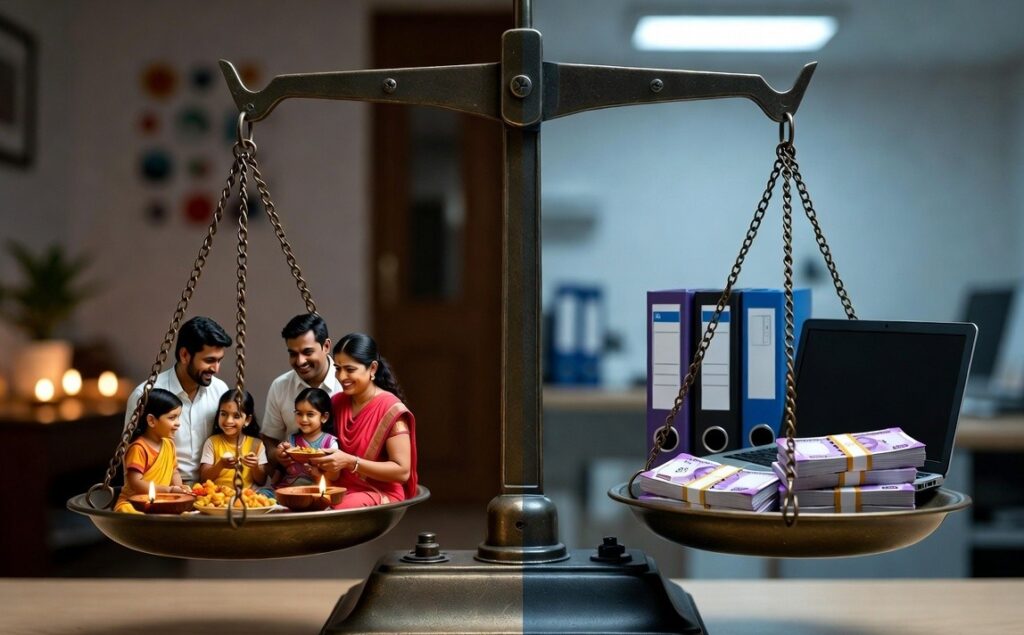
In India today, a quiet but powerful storm is brewing among the young. Millennials and Gen Z — today’s generation — are more educated, connected, and ambitious than any before them. Yet many are also more anxious, exhausted, and emotionally drained. The mental health challenges among Indian youth have grown sharper in recent years, shaped by fierce academic competition, the always-on world of social media, shifting family dynamics, and an uncertain job market.
If you’re in your late teens, 20s, or early 30s and sometimes feel like you’re running on a treadmill that never stops, you’re not imagining it. Studies and helpline data show that anxiety, low mood, burnout, and feelings of hopelessness are rising fast. The good news? Awareness is also growing, and real, practical solutions exist — many of them rooted in our own culture and daily life. This long-form guide explores the realities honestly and offers actionable, India-specific ways to cope and thrive.
The Scale of the Challenge: Why Mental Health Matters More Than Ever for Indian Youth
Covered in this
India has one of the youngest populations in the world, with hundreds of millions between 15 and 35 years old. This demographic dividend can become our greatest strength — but only if young minds are healthy.
Data from the National Mental Health Survey and later studies indicate that a significant portion of youth experience symptoms of anxiety, depression, or distress, though underreporting remains high because of stigma. Student suicides have stayed alarmingly elevated, with National Crime Records Bureau figures showing over 13,000 student deaths by suicide in recent years, many linked to academic failure, exam pressure, and related stress. Urban youth often report higher distress levels than rural counterparts, partly due to faster-paced lifestyles and greater exposure to competitive environments.
Tele MANAS, the government’s 24×7 national tele-mental health helpline (14416) has received millions of calls since its 2022 launch. This surge itself tells a story: people are reaching out, but the need far outstrips easy access to care. Social media use has exploded, bringing both connection and constant comparison. Post-pandemic effects — disrupted education, economic uncertainty, and grief — still ripple through many families.
The result? A generation that outwardly appears successful (degrees, jobs, social media highlights) but inwardly often feels overwhelmed, lonely, or “not enough.”
Major Mental Health Challenges Facing Today’s Indian Generation
1. Academic Pressure and the “Success at Any Cost” Culture
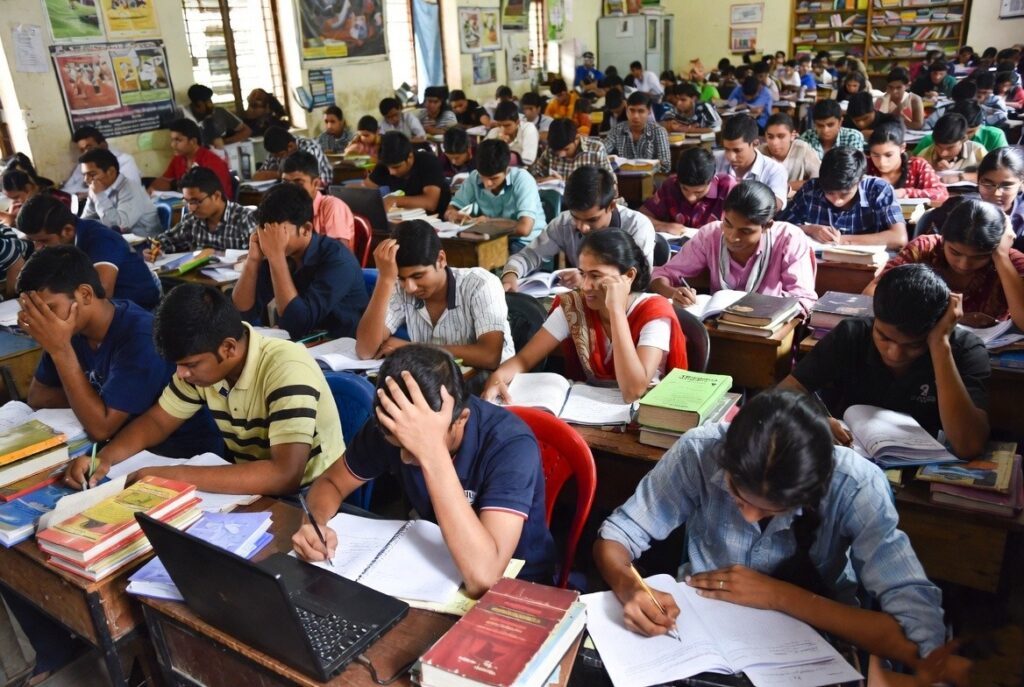
From Class 10 board exams onward, many young Indians live under intense scrutiny. Entrance exams like JEE, NEET, CUET, and state-level tests decide futures in medicine, engineering, or government jobs. Coaching classes, late-night study marathons, and the fear of “wasting a year” create chronic stress.
When results disappoint, the shame can feel unbearable — not just personal failure, but family dishonour. This pressure contributes significantly to anxiety, sleep disorders, burnout, and in tragic cases, suicidal thoughts. The message many internalise is: your worth equals your rank or salary package.
2. Social Media Comparison and the Highlight Reel Trap
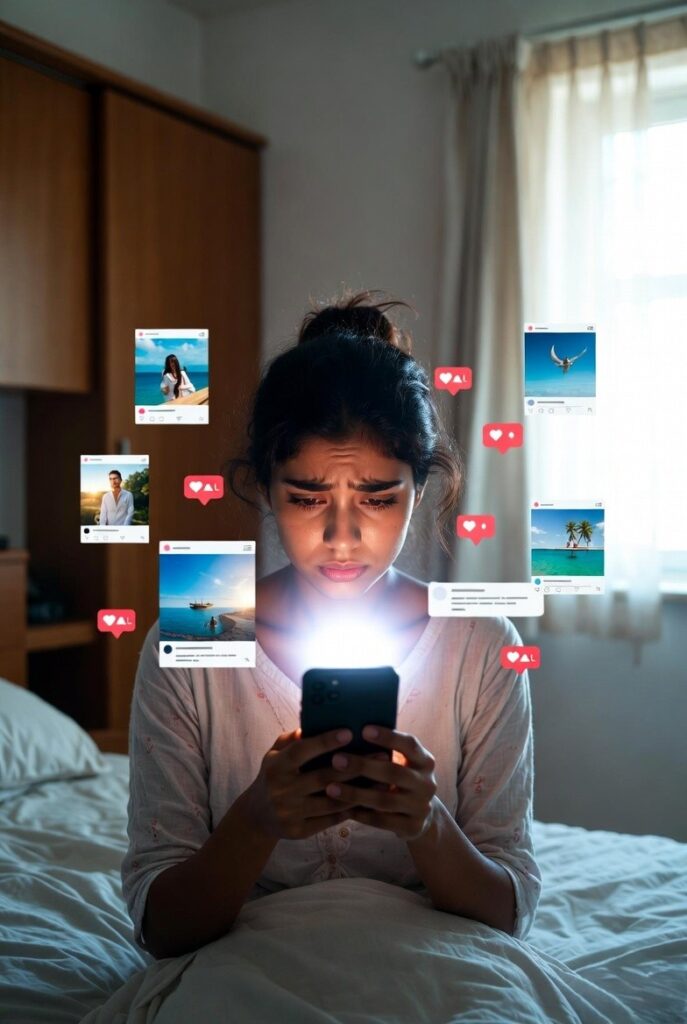
Instagram, YouTube Shorts, and Reels dominate evenings and nights. We see peers (or influencers) celebrating job offers, weddings, foreign trips, or “perfect” bodies and relationships. What we rarely see is the struggle, debt, or editing behind those posts.
This constant social comparison fuels anxiety, low self-esteem, body image issues, and FOMO (fear of missing out). Cyberbullying and online harassment add another layer, especially for young women. Many report poorer sleep, reduced concentration, and feeling “addicted” yet empty after hours of scrolling. In Indian households, where family honour and public image still matter deeply, the gap between online projection and private reality can feel especially painful.
3. Career Anxiety and Economic Uncertainty
Even after degrees, landing a well-paying, stable job feels harder. Many face underemployment, long working hours in startups or BPOs, or the gig economy’s instability. First-generation learners often carry the added weight of supporting their families financially.
Rising living costs, inflation, and fears about AI replacing jobs compound the stress. The traditional “study hard → good job → happy life” script no longer guarantees security, leaving many feeling lost or like failures despite their efforts.
4. Family Expectations, “Log Kya Kahenge,” and Emotional Suppression
Indian families are often close-knit — a beautiful strength. Yet closeness can blur into pressure. Parents who sacrificed for their children’s education may unintentionally tie their own dreams and social standing to their child’s achievements. Questions about marriage timelines, “settling down,” or choosing “safe” careers over passion projects are common.
Mental health struggles are frequently dismissed as “overthinking,” “laziness,” or a phase. Words like anxiety or depression may not even exist comfortably in many homes. The cultural emphasis on “adjust” and “be strong” leaves little room for vulnerability. Young people often suffer in silence to protect family peace or reputation.
5. Loneliness Amidst Crowds and Superficial Connections
Paradoxically, in the most populous country, many young Indians feel profoundly lonely. Urban migration for studies or jobs separates people from extended family support. Friendships can feel transactional or limited to WhatsApp forwards. Romantic relationships face their own pressures. Even within joint or nuclear families, genuine emotional conversations may be rare.
6. Screen Addiction, Gaming, and Unhealthy Coping Mechanisms
Late-night gaming sessions, endless short-video scrolling, and sometimes substance use (alcohol, smoking, or prescription misuse) become escapes. These provide temporary relief but deepen anxiety, guilt, poor sleep, and physical health decline over time.
Recognising the Signs: When Stress Becomes Something More
Mental health challenges rarely arrive with a clear label. Watch for persistent patterns:
- Constant worry, racing thoughts, or feeling “on edge”
- Changes in sleep (too much or too little) or appetite
- Loss of interest in activities once enjoyed
- Irritability, frequent crying, or emotional numbness
- Difficulty concentrating or making decisions
- Physical symptoms: headaches, stomach issues, fatigue with no clear medical cause
- Withdrawing from friends/family or self-isolating
- Thoughts of hopelessness or that “things will never get better”
If these last more than a couple of weeks and interfere with daily life, it’s worth paying attention.
Breaking the Stigma: It’s Okay to Not Be Okay
For decades, mental health in India carried heavy shame — associated with “madness” or weakness. Many families still hide struggles or seek only faith healers. Yet change is happening. Celebrities speaking openly, social media campaigns, and helplines like Tele MANAS are normalising conversations. Young people themselves are leading the shift by choosing therapy and setting boundaries.
Seeking help is not weakness — it is wisdom and courage. Your mental health affects every other area of life: studies, relationships, career, and physical health. Prioritising it benefits your entire family in the long run.
Practical Ways to Overcome Mental Health Challenges — Tailored for Indian Youth
Recovery and resilience are built through small, consistent actions rather than dramatic overhauls. Here are culturally relevant, realistic strategies.
Work-Life Balance in India 2026: Why Family is More Important Than Your 9-to-9 Job
Start with Your Body and Breath: Yoga, Pranayama, and Movement
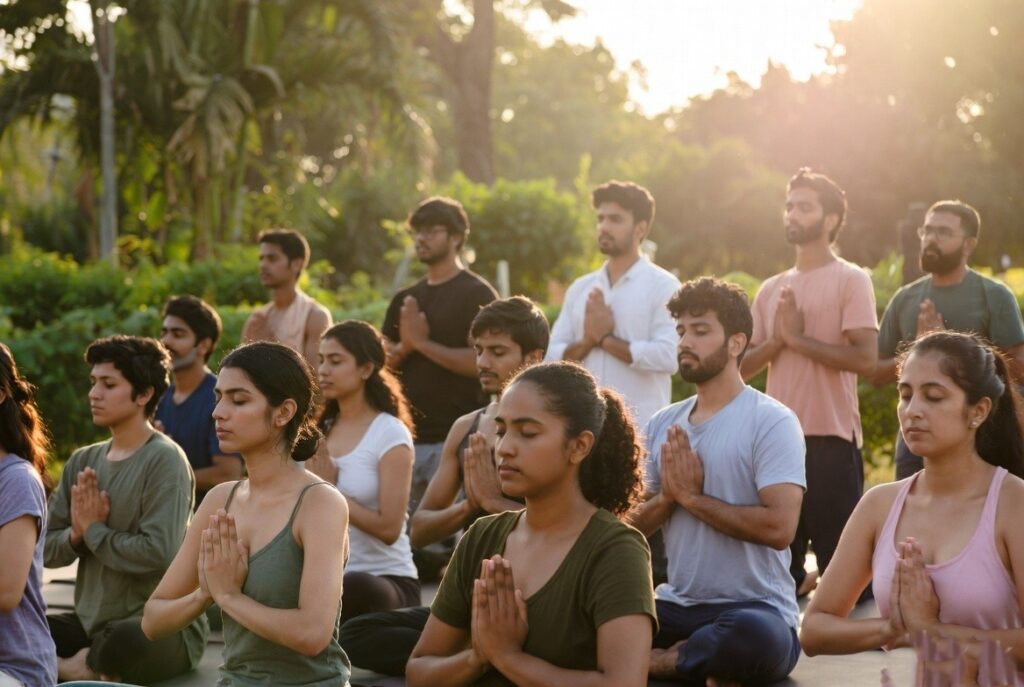
Yoga and meditation are not just ancient practices — they are scientifically backed tools for reducing anxiety and improving mood. Even 15–20 minutes daily helps regulate the nervous system.
Begin simply: morning Surya Namaskar, Anulom Vilom pranayama, or child’s pose before bed. YouTube channels and apps offer guided sessions in Hindi and English. Many find that combining physical movement with breathwork calms racing thoughts faster than they expect. Walking in a nearby park or playing a sport you enjoy (cricket, badminton, or even traditional games) also releases endorphins and breaks rumination cycles.
Nourish Mind and Body with Wisdom
Our traditional thali — dal, roti, sabzi, curd, seasonal fruits — supports gut health, which strongly influences mood. Reduce excessive chai, sugary snacks, and late-night junk. Stay hydrated. Good sleep hygiene (consistent timing, no screens 30–60 minutes before bed) makes an enormous difference.
Create Digital Boundaries That Actually Work
Social media isn’t going away, but you can change your relationship with it. Try:
- Phone-free first hour after waking and last hour before sleep
- Curating your feed — unfollow accounts that trigger comparison
- Replacing one scrolling session with reading, music, or calling a friend
- Using grayscale mode or app timers
Many young Indians report feeling lighter within a week of intentional digital detox.

Talk — Even When It Feels Awkward
Start small. Share one honest feeling with a trusted friend or sibling. When ready, have a calm conversation with parents: “I’ve been feeling very stressed lately and I think talking to someone professional might help. I’m not blaming anyone — I just need support.”
Many parents respond better than expected when approached with love and clarity rather than confrontation.
Seek Professional Help — It’s More Accessible Than You Think
Therapy works. A good therapist provides tools, perspective, and a safe space free of judgment. In India options include:
- Tele MANAS (14416) — free, 24×7, confidential, in multiple languages. Start here if unsure.
- College or university counselling cells (often free for students)
- Government facilities (AIIMS, NIMHANS, state mental health hospitals)
- Reputable NGOs and organisations offering sliding-scale or low-cost counselling
- Online platforms with licensed Indian therapists (many offer affordable video sessions)
You don’t need a “serious” diagnosis to benefit. Early support prevents problems from escalating. Many young people now view therapy the same way they view going to a doctor for a physical illness — normal and responsible.
Build Daily Resilience Habits
- Keep a simple gratitude or reflection journal (write 3 things that went okay today)
- Maintain a loose daily routine — it creates safety for the mind
- Reconnect with hobbies: music, art, cooking, gardening, or learning an instrument
- Spend time in nature or with animals when possible
- Practice self-compassion: speak to yourself like you would to a good friend
Know When It’s Urgent
If you or someone you know has thoughts of self-harm or suicide, reach out immediately. Contact Tele MANAS, a trusted person, or local emergency services. You matter. Help is available right now.
What Families, Colleges, and Workplaces Can Do
Parents: Listen more than you advise. Educate yourself about mental health. Reduce public comparisons. Celebrate effort and character alongside achievements.
Educational institutions: Invest in trained counsellors, reduce unnecessary academic load where possible, and create peer support programmes.
Workplaces: Offer mental health awareness sessions, flexible policies, and employee assistance programmes. A mentally healthy workforce is more productive and loyal.
There Is Hope — Many Are Healing and Thriving
Across India, young people are discovering that recovery is possible. Some combine therapy with yoga and family support. Others set firmer boundaries with social media or careers that better match their values. The conversation is shifting from “What will people say?” to “How can we support each other better?”
You carry within you the resilience of generations who faced far greater hardships. That strength, combined with modern tools and self-awareness, is powerful.
Conclusion: Small Steps, Big Change — Start Today
Mental health challenges among Indian youth are real, widespread, and deeply influenced by the unique pressures of our society and times. But they are not a life sentence. With awareness, compassion, practical habits rooted in our culture, and timely professional support when needed, healing and growth are absolutely possible.
You don’t have to fix everything at once. Choose one thing today — a 10-minute walk, a honest conversation, a call to Tele MANAS, or simply saying “I’m struggling and I need support.” That single step matters more than you know.
Your well-being is not selfish. It is the foundation for the life you want to build and the contributions you wish to make. India needs young people who are not just successful on paper, but whole, resilient, and at peace within themselves.
You are not alone. Help is available. Healing is possible. And your story is still being written — with courage, one day at a time.
Frequently Asked Questions (FAQ)
What are the most common mental health challenges among Indian youth today? Anxiety, depression symptoms, academic burnout, social media-related stress, and feelings of loneliness or hopelessness are among the most reported issues, often amplified by exam pressure and family expectations.
How does academic pressure specifically affect mental health in India? Intense competition for limited seats in top colleges and jobs creates chronic stress, sleep deprivation, and fear of failure that can lead to anxiety disorders, depression, and in severe cases contribute to suicidal ideation among students.
Is social media really harming mental health for young Indians? Excessive use is linked to increased anxiety, depression, poor sleep, and body image issues through constant comparison and cyberbullying. Mindful, limited use reduces these negative effects for many.
How can I talk to my Indian parents about my mental health without conflict? Choose a calm moment, use “I” statements (“I’ve been feeling very stressed and overwhelmed”), emphasise you’re not blaming them, and suggest solutions like professional help. Many parents respond supportively once they understand it’s not a personal attack.
What free or affordable mental health help is available in India? Start with Tele MANAS (dial 14416) — free, 24×7, confidential. College counselling, government hospitals, and several NGOs also offer low-cost or sliding-scale support.
Can yoga and meditation actually help with anxiety or low mood? Yes. Regular practice of yoga asanas and pranayama has strong evidence for reducing stress hormones, improving sleep, and lifting mood. Even short daily sessions make a noticeable difference for many people.
When should someone seek professional mental health support? If symptoms persist for more than two weeks, interfere with studies/work/relationships, or include thoughts of self-harm, reach out promptly. Early help leads to faster recovery.
How do I practice digital detox practically as a student or young professional? Set phone-free zones/times (bedroom, meals, first/last hour of day), use app timers, unfollow triggering accounts, and replace scrolling with offline activities you enjoy.
Are there government initiatives supporting youth mental health? Yes. Tele MANAS under the National Tele Mental Health Programme is the flagship initiative providing nationwide free tele-counselling. The Mental Healthcare Act 2017 also protects rights and promotes access to care.
How long does it take to feel better? It varies. Some feel relief within weeks of starting consistent habits or therapy; deeper issues may take months. Progress is rarely linear — small consistent steps compound powerfully over time.
all types of books reviewed personally
follow me on SPOTIFY