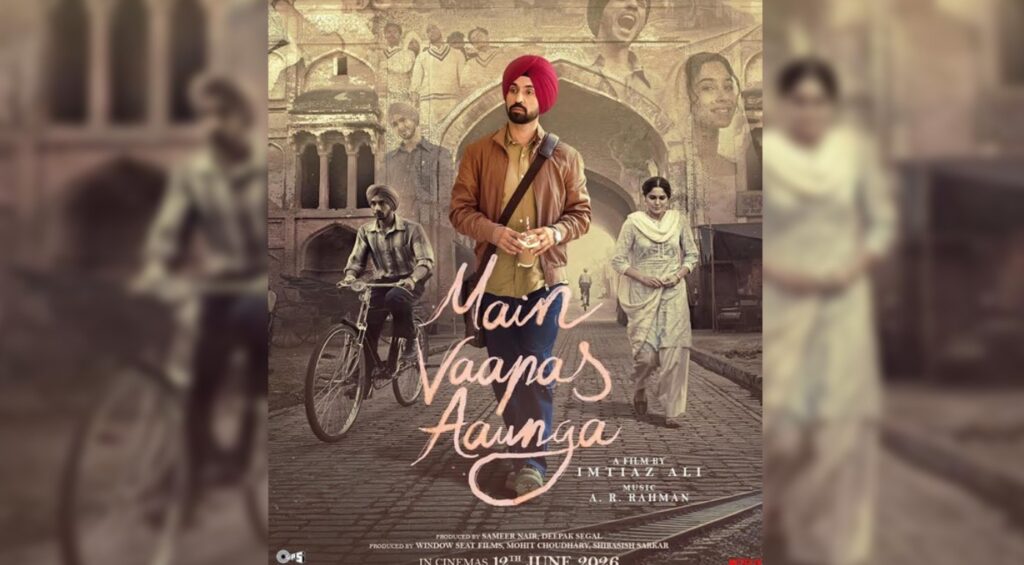
In the crowded landscape of 2026 Bollywood releases, few films arrive with the quiet confidence and emotional gravity of Main Vaapas Aaunga. Directed by the master storyteller Imtiaz Ali and co-written with Nayanika Mahtani, this Hindi-language romantic drama (released theatrically on 12 June 2026) transcends the typical love story template. It weaves a deeply personal narrative against the monumental backdrop of the 1947 Partition of India, exploring how love, promises, and memory endure across generations and borders.
If you are searching for a Main Vaapas Aaunga movie review that goes beyond surface-level praise, you have come to the right place. This in-depth analysis examines the film’s storytelling craft, exceptional performances, technical brilliance, and lasting emotional resonance. Whether you are a longtime fan of Imtiaz Ali’s introspective cinema or simply looking for a meaningful Hindi film that stays with you long after the credits roll, this Mai Vaapas Aunga full movie review offers a complete perspective.
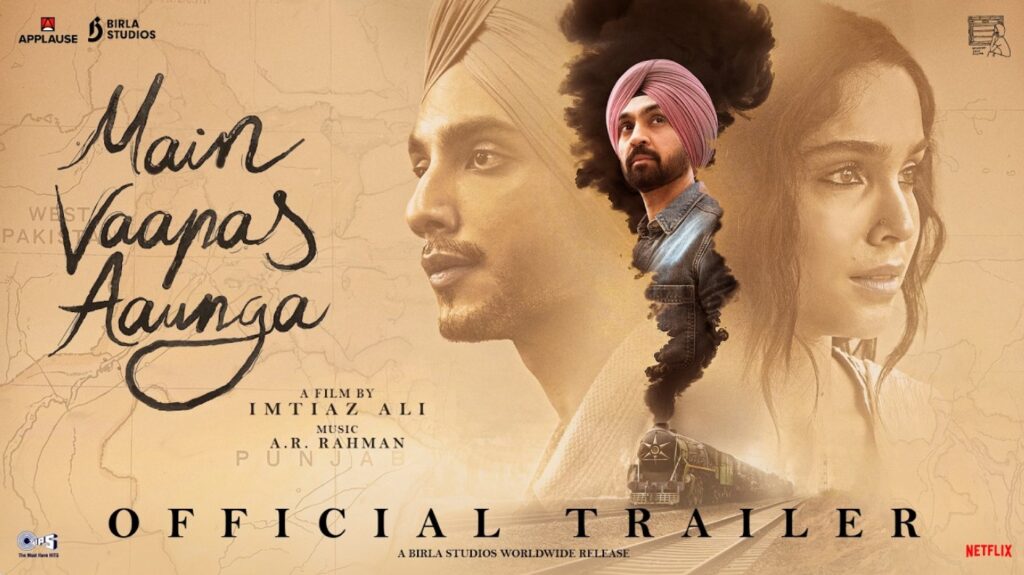
Table of Contents
A Story of a Boy, a Girl, and an Entire Nation
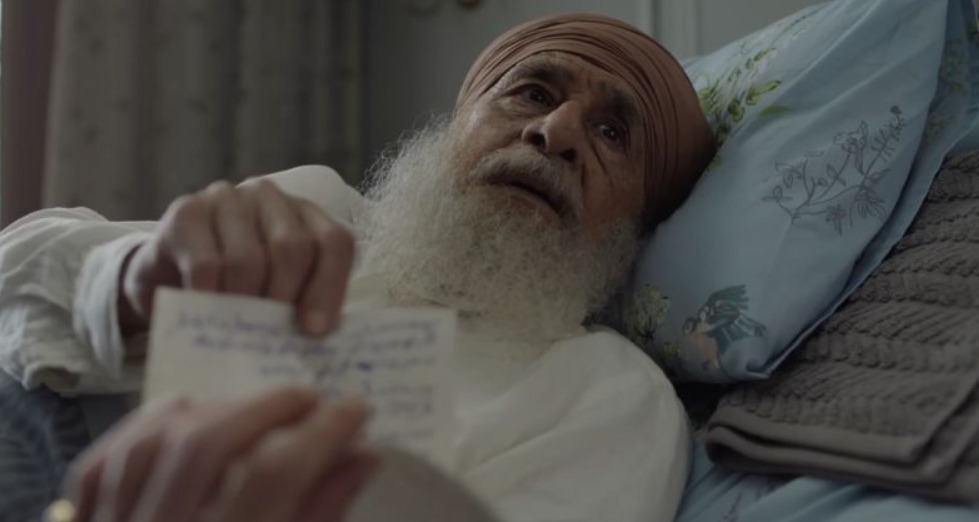
At its core, Main Vaapas Aaunga tells the story of an elderly Sikh patriarch, Ishar Singh Grewal (Naseeruddin Shah), who lies on his deathbed after a debilitating stroke and dementia. His fragmented memories keep pulling him back to a promise made nearly eight decades earlier during the chaos of Partition. His grandson Nirvair (Diljit Dosanjh), a London-based tech professional grappling with his own sense of displacement, becomes the bridge between the past and present.
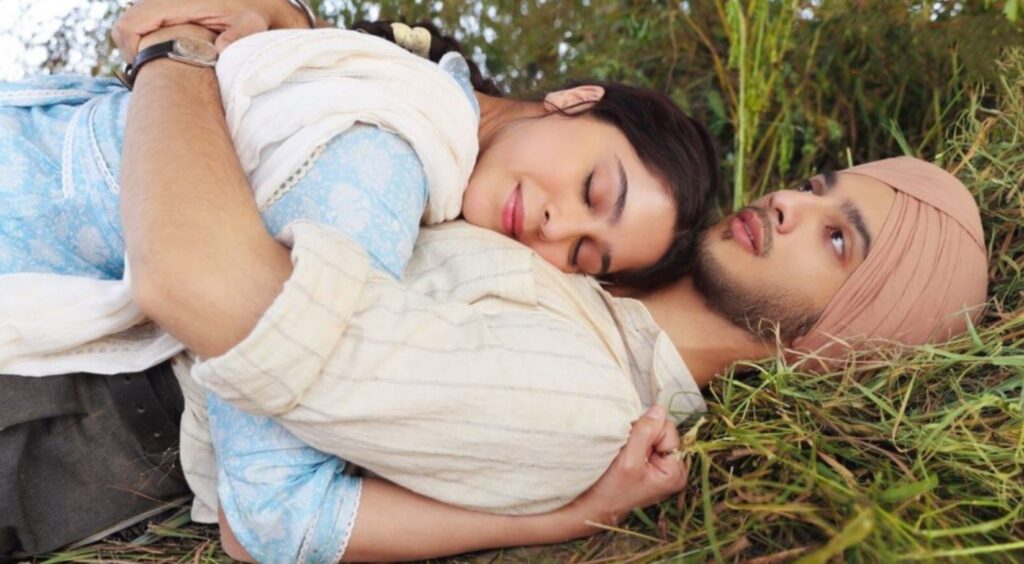
Through seamless, non-linear flashbacks, the film reveals the tender, ill-fated romance between young Keenu (Vedang Raina) and Jiya/Afsana (Sharvari) in undivided Punjab. Their love blossoms in a time of innocence, only to be violently severed when the Radcliffe Line redraws not just maps but human destinies. The narrative never reduces Partition to mere historical spectacle. Instead, it treats the event as an intimate, existential wound — one that echoes through family secrets, suppressed trauma, and the quiet ache of “what if.”
The title itself — Main Vaapas Aaunga (I Will Return) — functions as both a literal vow and a haunting metaphor. It speaks to the millions displaced in 1947 who carried the hope of return in their hearts, even when physical return became impossible. This multi-generational approach elevates the film from a simple romance into a meditation on memory, identity, belonging, and the human cost of division.
The Cast Delivers Performances That Anchor the Soul
Main Vaapas Aaunga movie review would be complete without celebrating the performances that give the film its beating heart.
Naseeruddin Shah as the elderly Ishar Singh Grewal (also referred to as Keenu in memories) delivers what many critics are calling a masterclass in restrained, soul-stirring acting. Shah portrays a man whose body is failing but whose emotional core remains fiercely alive. His fragmented speech, distant gaze, and occasional flashes of clarity convey decades of unspoken longing and regret without a single melodramatic outburst. It is the kind of performance that reminds audiences why Shah remains one of Indian cinema’s most respected actors.
Diljit Dosanjh brings warmth, vulnerability, and quiet intensity as Nirvair, the grandson caught between modern life in London and the weight of family history. Dosanjh’s natural screen presence grounds the emotional stakes. He portrays a man who initially approaches his grandfather’s ramblings with practical concern, only to be slowly transformed by the stories he uncovers. His journey from detached caregiver to someone who actively seeks closure feels authentic and deeply moving.
Vedang Raina as young Keenu brings sincerity and youthful charm to the pre-Partition romance. While some viewers note he occasionally lacks the enigmatic gravitas needed to fully mirror Shah’s older version, Raina’s chemistry with his co-star and his portrayal of innocent, poetry-writing love remains endearing and believable.
Sharvari shines as Jiya/Afsana. She captures the playful, spirited energy typical of Imtiaz Ali heroines while grounding the character in the harsh realities of the time. Her performance adds lightness and hope to sequences that could otherwise be overwhelmed by tragedy.
Supporting actors, including Rajat Kapoor, Banita Sandhu, and others in key family and community roles, add texture and authenticity to the world-building.
Imtiaz Ali’s Direction: Poetry in Motion and Memory
Imtiaz Ali has long specialized in stories of people on journeys — both physical and emotional. With Main Vaapas Aaunga, he evolves that signature style by anchoring it in one of the most traumatic chapters of South Asian history. The direction is patient, poetic, and unafraid of silence. Long takes and lingering close-ups allow emotions to breathe. The non-linear structure, moving fluidly between 1947 and the present, never feels gimmicky. Instead, it mirrors how memory actually works — fragmented, triggered by small details, and emotionally overwhelming.
The screenplay (co-written with Nayanika Mahtani) balances sweeping historical context with intimate character moments. It avoids reducing Partition to binary narratives of victim and aggressor. Instead, it focuses on the personal: a promise whispered in the chaos, a love letter never delivered, a family secret carried across generations. This human-centric approach makes the political tragedy feel immediate and universal.
Some critics have pointed out that the film occasionally leans into overt messaging in its final act, and the 166–167 minute runtime demands patience. However, for audiences willing to surrender to its rhythm, the payoff is profoundly satisfying.
A.R. Rahman’s Music: The Emotional Soundtrack of a Generation
One of the biggest highlights of any Mai Vaapas Aunga movie review is the music. A.R. Rahman’s soundtrack is nothing short of magical. Lyrics by Irshad Kamil blend Punjabi folk sensibilities with poetic Urdu and contemporary sensibilities. Tracks like “Kya Kamaal Hai,” “Ishq Mastana,” “Maskara,” and “Dheere Dheere” do not merely accompany scenes — they deepen the emotional texture.
Rahman’s compositions capture both the exuberance of young love in pre-Partition Punjab and the melancholic ache of separation. The music video featuring Diljit Dosanjh toward the end of the film has already become a talking point among audiences. The background score weaves traditional instruments with subtle modern elements, perfectly complementing the film’s themes of memory and timeless longing.
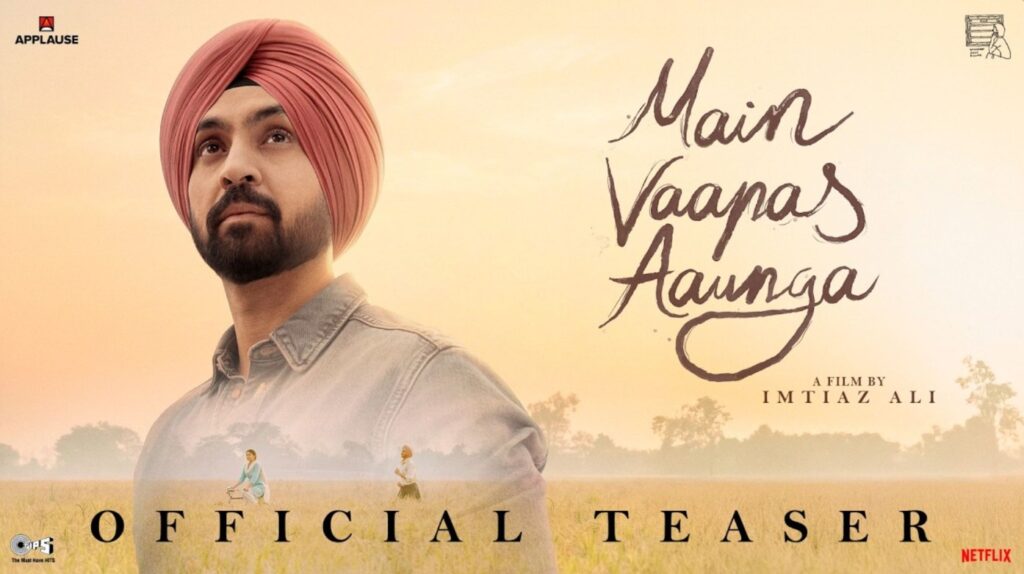
Cinematography by Sylvester Fonseca deserves equal praise. The visuals shift seamlessly between the sun-drenched fields and bustling lanes of 1940s Punjab and the more muted, introspective present-day frames. Production design and costumes immerse viewers in the era without ever feeling like a history lesson.
Themes That Resonate Far Beyond the Screen
Main Vaapas Aaunga is ultimately a film about memory — how it sustains us, haunts us, and sometimes refuses to let go. It explores the intergenerational transmission of trauma: the silences in families, the stories left untold, and the emotional inheritance passed down to children and grandchildren of Partition survivors.
The film also examines the idea of “home” not as a physical place but as an emotional anchor. For the elderly Ishar, home is tied to a person and a promise. For his grandson Nirvair, home becomes something he must actively rediscover through understanding his family’s past.
In today’s world of migration, identity crises, and rising polarization, these themes feel especially relevant. The movie gently reminds viewers that love and human connection have always been more powerful than the lines drawn on maps. It does not preach; it simply shows the cost of division through one family’s story and invites reflection.
Emotional Impact: Why This Film Lingers
What sets Main Vaapas Aaunga apart from many other Partition dramas is its focus on quiet devastation rather than graphic violence. The riots and displacement are felt through the characters’ eyes and silences rather than sensationalized. This restraint makes the emotional punches land harder.
Many viewers have reported leaving theaters with a heavy yet strangely hopeful heart. The film does not offer easy closure, but it offers something more valuable: catharsis and a renewed appreciation for the promises we make and the memories we carry.
Strengths, Minor Critiques, and Balanced Perspective
Like any ambitious film, Main Vaapas Aaunga has areas where it could have gone further. Some audiences feel the young love story, while charming, occasionally lacks the intense chemistry needed to fully justify the lifelong obsession portrayed in the present timeline. A few scenes in the second half lean toward exposition rather than pure cinematic storytelling.
However, these are minor notes in an otherwise richly textured experience. The film’s strengths — Naseeruddin Shah’s towering performance, Rahman’s music, Imtiaz Ali’s sensitive direction, and its humanistic approach to history — far outweigh any shortcomings.
Box Office Journey and Growing Word-of-Mouth Success
The film opened modestly with around ₹1.15 crore nett on its first day. However, strong word-of-mouth has driven impressive growth in subsequent days, with collections surging significantly by the second weekend. Trade analysts now project a healthy lifetime total, proving that emotionally resonant, content-driven cinema still finds its audience when given the chance.
This trajectory mirrors the film’s own themes: sometimes the most meaningful journeys begin quietly and build through genuine connection rather than hype.
Who Should Watch Main Vaapas Aaunga?
This is essential viewing for:
- Fans of Imtiaz Ali’s earlier works (Jab We Met, Rockstar, Amar Singh Chamkila)
- Lovers of meaningful, character-driven Hindi cinema
- Viewers interested in Partition stories told with sensitivity (Pinjar, Earth, Gadar)
- Anyone who appreciates powerhouse performances and soulful music
- Families and younger audiences curious about the human stories behind historical events
It is particularly recommended for those seeking a theatrical experience that feels substantial and emotionally rewarding rather than purely entertaining.

Final Verdict: A Modern Classic in the Making
Main Vaapas Aaunga (Mai Vaapas Aunga) stands as one of the most emotionally resonant Hindi films of 2026. It is not a perfect film, but it is a profoundly human one. Imtiaz Ali has crafted a story that honors the pain of Partition while celebrating the enduring power of love and memory. Anchored by Naseeruddin Shah’s unforgettable performance and elevated by A.R. Rahman’s music, it leaves audiences with a lingering ache and a quiet sense of hope.
In an industry often dominated by spectacle, this film dares to be intimate. It reminds us that some promises are worth keeping across lifetimes, and some stories deserve to be remembered.
Rating: 4 out of 5 stars (Highly recommended for theatrical viewing)
If this Main Vaapas Aaunga review has convinced you to experience the film, do not wait for OTT. Some stories are meant to be felt in a darkened theater surrounded by fellow humans whose hearts are breaking and healing in the same rhythm.
follow me on SPOTIFY