
When the Superstar Walks In, the Theatre Changes
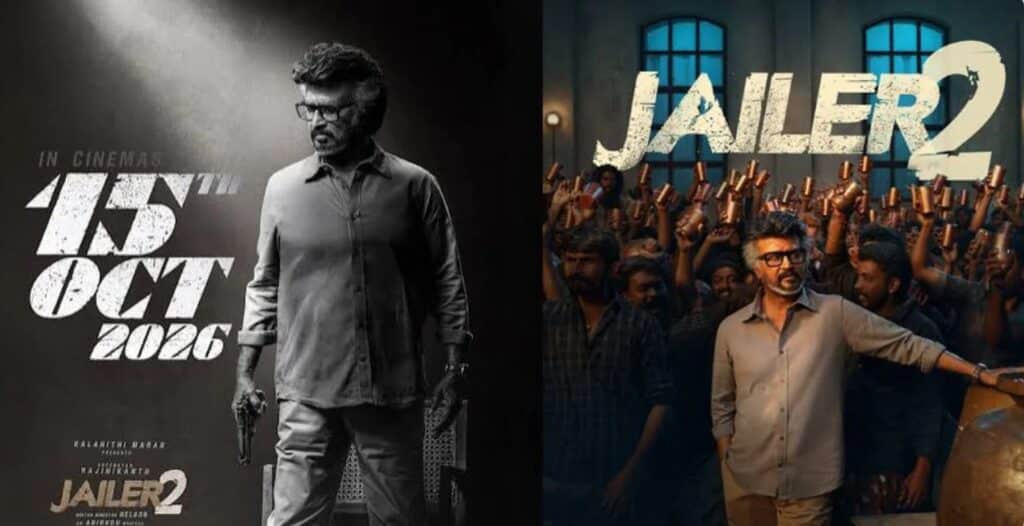
There is a particular electricity that only a handful of actors can generate the moment their face appears on a big screen. Rajinikanth still possesses it at this stage of his career. In Jailer 2, he steps back into the shoes of Tiger Muthuvel Pandian, the retired jailer who proved in the 2023 original that quiet family life and violent pasts rarely stay separate for long. Released on 15 October 2026 in Tamil, Telugu, Hindi, Malayalam and Kannada, the sequel arrives three years after the first film became a pan-India phenomenon. Directed once again by Nelson Dilipkumar, scored by Anirudh Ravichander and produced by Sun Pictures, Jailer 2 is built as a commercial mass entertainer first and a narrative exercise second. The Hindi version, distributed under the title Rajini: The Jailer 2 in some markets, faced distribution hurdles in major multiplex chains yet still found audiences ready for another dose of swagger, dark humour and high-voltage elevation scenes. This review examines the film in depth for viewers approaching it through the Hindi release, weighing what works, what feels familiar, and why the combination of Rajinikanth’s presence and Nelson’s particular brand of comedy continues to fill seats. In this Jailer 2 Hindi review we will go deep .
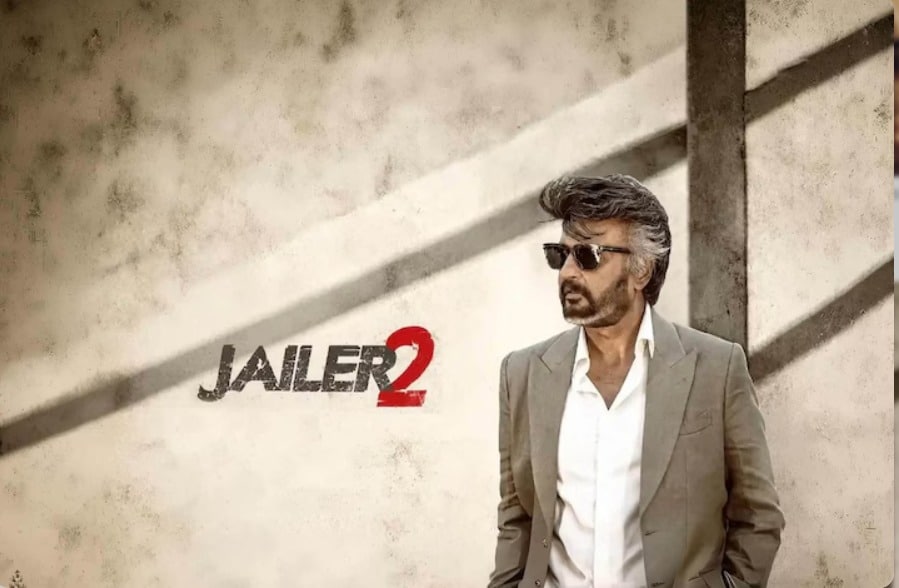
The film runs approximately 165 minutes. It picks up a few months after the events of the original, with Tiger attempting to maintain a low profile while the larger criminal network connected to the idol-smuggling operations begins to circle closer. Early critical responses have generally landed in the 3 to 3.5 out of 5 range, praising the first half, the humour, Anirudh’s background score and Rajinikanth’s effortless command of the frame while noting that the second half leans more heavily on established templates. Audience reactions on opening day echoed similar patterns: strong applause for interval blocks and cameo moments, with some viewers wishing for tighter pacing later on.
Table of Contents
Plot Overview: The Past Refuses to Stay Buried
Without major spoilers, the story finds Tiger Muthuvel Pandian living a deliberately ordinary existence near the Kerala–Tamil Nadu border. He works a modest job and tries to give his remaining family a measure of normalcy after the traumatic events of the first film. The family still does not know the full truth about what happened to his son. Meanwhile, associates of the late Varman and members of a larger idol-smuggling syndicate start looking for both the person responsible for Varman’s fall and the three containers of high-value idols that were never recovered. An eccentric figure named Dileep, played by Suraj Venjaramoodu, becomes an early catalyst. Self-styled gangsters, comic side characters and more dangerous operators gradually pull Tiger back into conflict.
Nelson keeps the first half moving through a series of character introductions, comic misunderstandings and carefully staged elevation moments. The tone mixes absurdist humour with sudden bursts of violence, a combination that defined the original and returns here in amplified form. The central antagonist force is the Kalpak family: Bodhi Kalpak (S.J. Suryah), his father Chakri (Mithun Chakraborty) and sister Kantha (Vidya Balan). Their motivations revolve around control of the smuggling network and revenge. Allies from the first film, including Mohanlal’s Mathew, Shiva Rajkumar’s Narasimha and Jackie Shroff’s Kamdev, reappear at key points. The narrative is constructed so that viewers who have seen the original understand the stakes immediately, while newcomers can still follow the broad outlines of a man protecting his family against a powerful criminal organisation.
The film does not pretend to reinvent the revenge-action template. Instead it doubles down on the pleasures of watching Tiger stay one step ahead, deliver one-liners, and trigger sequences designed for whistles. Logical gaps exist, and certain developments in the second half feel more mechanical than the carefully built first half, yet the overall package remains engineered for theatrical response rather than quiet contemplation.
Cast and Performances: Rajinikanth Holds the Centre
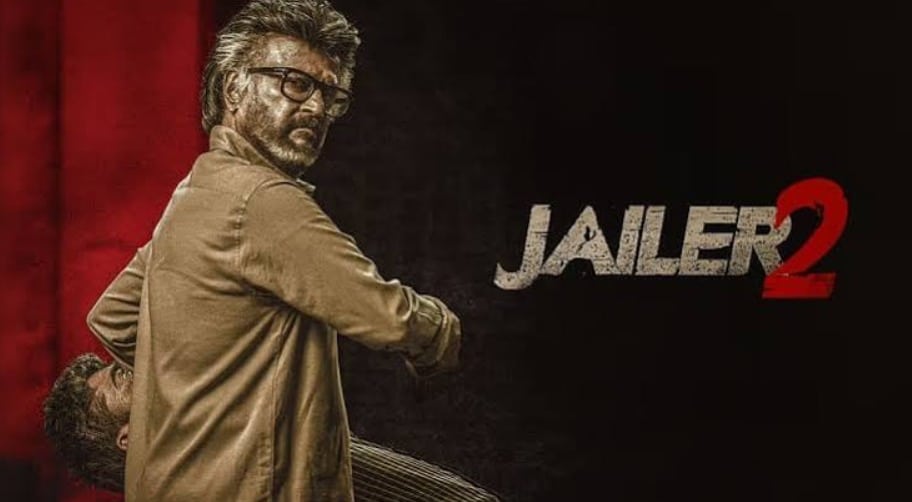
Rajinikanth’s performance is the film’s clearest asset. He returns to Tiger with the same mixture of mild-mannered everyday behaviour and sudden lethal efficiency. Close-ups emphasise the small shifts in expression behind the glasses, the relaxed posture that suddenly becomes threatening, and the easy charm that makes even routine dialogue land as star moments. At this stage of his career he is not asked to perform kinetic stunts; the film is cut around his presence, walking, talking and reacting. That approach suits the character and the audience’s expectations. Reviewers across publications noted that he looks comfortable and fully in command, whether sitting at a family gathering or facing armed opponents.
S.J. Suryah brings energetic eccentricity to Bodhi Kalpak. His performance leans into theatrical villainy without tipping fully into parody, and he shares several charged confrontations with Rajinikanth. Mithun Chakraborty’s Chakri Kalpak functions as the older, more calculating force within the family; his presence adds weight even in relatively limited screen time. Vidya Balan, in a prominent role as Kantha, is given material that mixes menace and vulnerability. While some observers felt the female characters could have been written with more depth, Balan’s scenes register strongly and the character is positioned to matter beyond the immediate conflict.
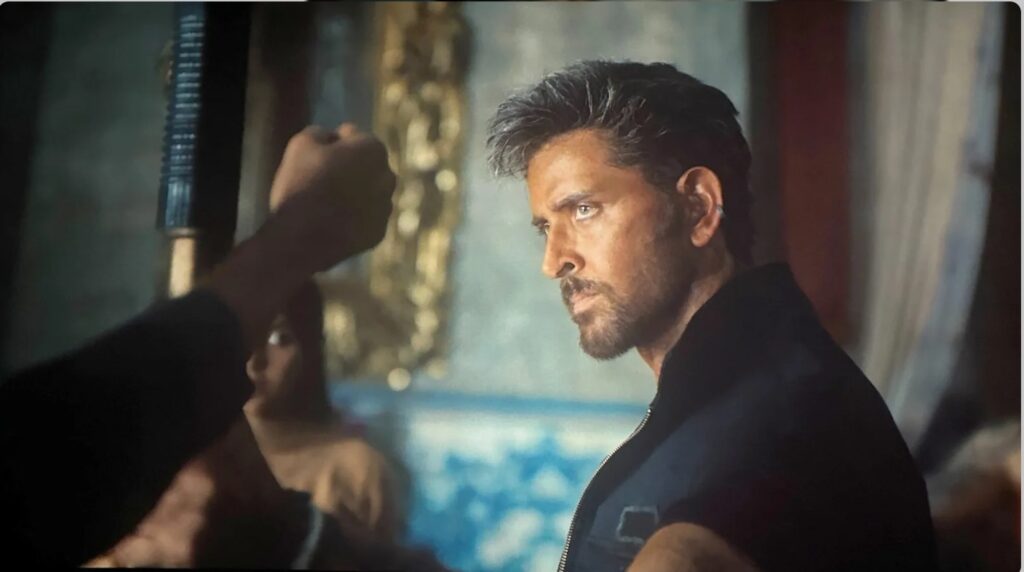
The cameos are integrated as event moments rather than brief walk-ons. Mohanlal, Shiva Rajkumar and Jackie Shroff reprise their earlier appearances and participate in key action beats. Hrithik Roshan and Vijay Sethupathi appear in later sequences that function as surprises for the audience. These appearances generate the expected cheers; whether they advance the story or simply provide spectacle is a matter of individual taste, but they are executed with the kind of scale and musical backing that theatres reward.
Direction, Screenplay and the Nelson Touch
Nelson Dilipkumar’s signature is visible throughout. He specialises in dark, often absurd humour placed next to sudden violence, and Jailer 2 continues that approach. The first half is widely regarded as the stronger section: character dynamics are clear, comic set-pieces land, and the build to the interval is carefully calibrated. Several reviewers described the interval block as one of the film’s high points, combining revelation, action and Anirudh’s score into a sequence designed for maximum audience reaction. Nelson also knows when to step back and simply let Rajinikanth occupy the frame. Elevation scenes are staged with deliberate slow-motion, reaction shots and musical punctuation rather than constant kinetic cutting.
The screenplay is more crowded once the second half begins. Multiple character threads, additional confrontations and the need to service both the main plot and the returning allies create occasional drag. Some item-style song placements, particularly “Ala Bolelo,” were criticised for interrupting momentum. Logical inconsistencies appear in the later stretches, and the climax, while loud and visually busy, does not generate the same sustained surprise as the original’s final acts for every viewer. Nelson has improved certain aspects of the template—humour feels sharper in places, and the film is more willing to lean into comic absurdity—yet the overall structure remains recognisable. The result is an entertaining commercial film that prioritises star moments and theatrical highs over narrative invention.
Music by Anirudh Ravichander: Background Score Carries the Weight
Anirudh Ravichander returns as composer, and his contribution is one of the most consistently praised elements. The background score does the heavy lifting during elevation sequences, action set-pieces and cameo entries. Tracks such as the “Jailer 2 Theme,” “Hukum Reloaded” and various instrumental cues are engineered to amplify Rajinikanth’s presence and the film’s mass moments. Viewers who saw the film in theatres repeatedly mentioned the score’s ability to turn ordinary confrontations into events.
The song album, released ahead of the film, contains tracks including “Ala Bolelo,” “One Sun One Moon,” “Bindaas,” “One Name,” “Netru Ponavai” and others. “Ala Bolelo” carries Kerala-inspired rhythms and energetic vocals but was noted by some as a placement issue inside the narrative. “One Sun One Moon” and “One Name” received more positive mentions for their atmospheric and anthemic qualities. Overall, the album is viewed as solid rather than revolutionary when compared with the original Jailer soundtrack, whose “Hukum” achieved massive cultural penetration. In the film itself, however, the score functions effectively as the emotional and rhythmic engine, especially in the first half and during the larger action blocks.
The Cameos and Ensemble Scale
One of the film’s deliberate selling points is the assembly of star power beyond the central cast. Returning cameos from Mohanlal, Shiva Rajkumar and Jackie Shroff are staged as reinforcements for Tiger, complete with their own musical cues and action participation. Newer appearances, including Hrithik Roshan and Vijay Sethupathi, arrive later and function as narrative or climactic surprises. These moments are engineered for cheers, and early audience reports confirm they deliver that response. At the same time, some critics felt the sheer number of introductions and elevations made the film feel overcrowded once the second half began. The balance between serving the core story and celebrating the ensemble is not always perfect, yet for the intended mass audience the star power remains a feature rather than a distraction.

Word-of-mouth among those who watched it has been largely favourable for the first half, the humour and the star moments, mirroring broader reactions. The limited multiplex footprint reduced the film’s reach in urban Hindi markets, yet the combination of Rajinikanth’s established fan base and the Dussehra release window still generated solid single-screen business. Viewers seeking the film in Hindi should check local single-screen listings rather than expecting wide multiplex availability in the North.
Comparison with the Original Jailer
The 2023 Jailer benefited from the element of surprise. Audiences did not fully know the extent of Tiger’s capabilities or the darkness of his past until the film revealed them. Jailer 2 operates with that knowledge already in place. The sequel therefore leans more openly on comedy, ensemble cameos and repeated elevation of the central character. Many viewers find the first half of the sequel funnier and more consistently entertaining than corresponding stretches of the original. Others miss the tighter mystery and emotional weight of the first film’s later acts. Nelson has refined his handling of humour and star presentation, yet the overall narrative architecture remains recognisably similar. The result is a film that feels like a confident continuation rather than a radical departure—satisfying for fans of the original template, less surprising for those hoping for a complete reinvention
Strengths and Areas That Could Have Been Stronger
The film’s clearest strengths are Rajinikanth’s screen presence, Nelson’s comic writing in the first half, Anirudh’s background score during key sequences, and the theatrical scale of the action and cameo moments. Suraj Venjaramoodu, Yogi Babu and the supporting comic ensemble provide consistent laughs. The interval block and several elevation scenes are engineered to work in a packed theatre.
Areas that draw criticism include the comparatively weaker second half, occasional song placement issues, underwritten female roles relative to the scale of the film, and a climax that some viewers found more noisy than inventive. The crowded nature of the later narrative also means certain threads feel less fully developed. These are familiar trade-offs in large-scale commercial sequels; they do not erase the entertainment value for the target audience but prevent the film from feeling like a complete step forward in every department.
Final Verdict
Jailer 2 is a well-mounted commercial sequel that delivers what its primary audience comes to see: Rajinikanth operating at full star power, sharp and sometimes dark humour, effective background music, and large-scale action set-pieces. The first half is the stronger and more consistently engaging portion. The Hindi version, while limited in multiplex availability, remains accessible in single-screen theatres and has received positive notes on dubbing from those who have seen it. Viewers who enjoyed the original Jailer and are looking for another theatrical mass experience will find plenty to cheer. Those seeking a tighter, more original narrative may find the second half familiar. For the majority of the intended audience, the combination of Tiger’s return, Nelson’s comic touch and Anirudh’s score makes the film a worthwhile big-screen outing.
Conclusion: A Sequel That Knows Its Audience
Three years after the original established Tiger Muthuvel Pandian as one of Rajinikanth’s most effective late-career characters, Jailer 2 returns to the same well with greater emphasis on humour and ensemble spectacle. It does not rewrite the rules of the mass entertainer, nor does it need to. Nelson Dilipkumar continues to demonstrate a clear understanding of how to stage moments around Rajinikanth, and Anirudh Ravichander supplies the sonic lift those moments require. The Hindi release’s distribution challenges limited its urban reach, yet the film’s core pleasures—swagger, laughter, and the controlled release of violence—translate across languages. For audiences seeking exactly that combination in a theatre, Jailer 2 provides it with confidence and scale.
follow me on SPOTIFY As Discovering With Dev