
Before I start Leaders Eat Last Book Review, I remember the first time I picked up this book. It wasn’t just another leadership manual filled with buzzwords and corporate jargon. It felt like a conversation with a wise friend who’s seen the best and worst of human organizations. Published in 2014, Leaders Eat Last builds on Sinek’s earlier work like Start with Why, but shifts the focus to the “how” of leadership—specifically, how to create cultures of trust and safety that allow innovation and loyalty to flourish. At over 300 pages, it’s packed with stories, biology, history, and practical insights that make you pause and reflect on your own experiences as a leader, team member, or even parent.
Table of Contents
Why This Book Resonates So Deeply
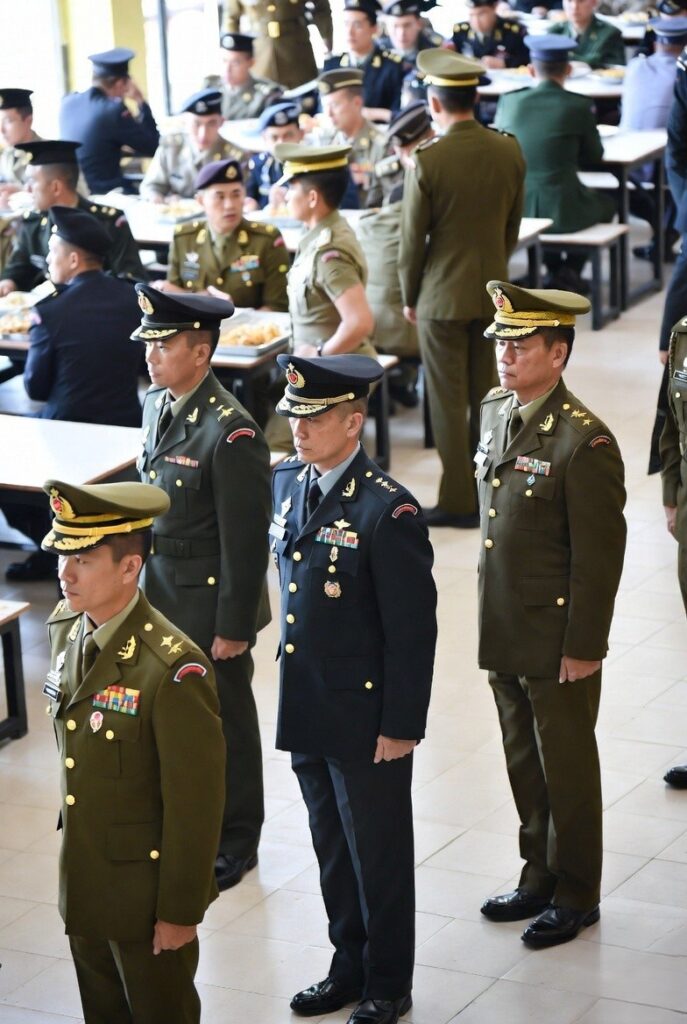
Let’s be real—leadership books are everywhere. But what sets Leaders Eat Last apart is its grounding in human biology and evolutionary psychology. Sinek isn’t preaching from an ivory tower; he’s drawing from real-world examples, from the military to tech giants to everyday companies. The title itself comes from a Marine Corps tradition: officers eat after their troops, symbolizing that true leaders prioritize the well-being of their people above their own comfort.
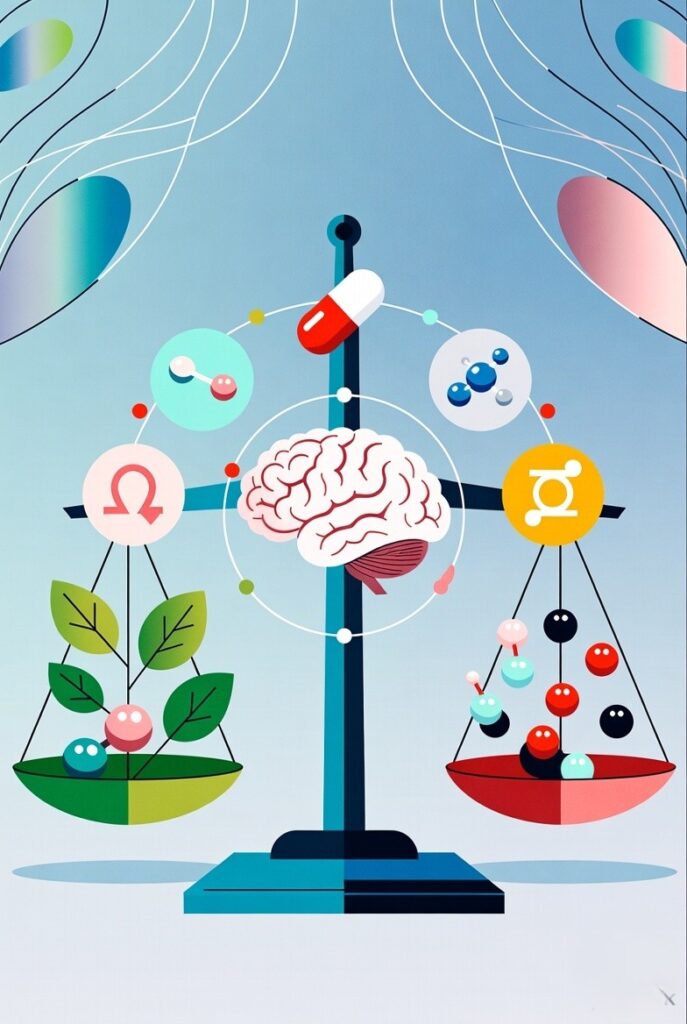
This isn’t fluffy feel-good advice. Sinek backs it up with science. He explains the four main chemicals that drive our behavior: endorphins (for the runner’s high and pain masking), dopamine (the reward of achievement), serotonin (feelings of pride and status), and oxytocin (the “love” or trust chemical released through human connection). In toxic environments, we chase dopamine hits from short-term wins, often at the expense of long-term trust. In safe environments, oxytocin flows, fostering cooperation and resilience.
Reading this, I found myself nodding along, thinking about teams I’ve been part of. Remember that project where the boss micromanaged every detail, credit was hoarded, and everyone was watching their back? Productivity suffered, turnover was high, and innovation? Nonexistent. Contrast that with a leader who admits mistakes, protects the team from external pressures, and celebrates collective wins. That’s the magic Sinek unpacks.
The Core Concept: The Circle of Safety
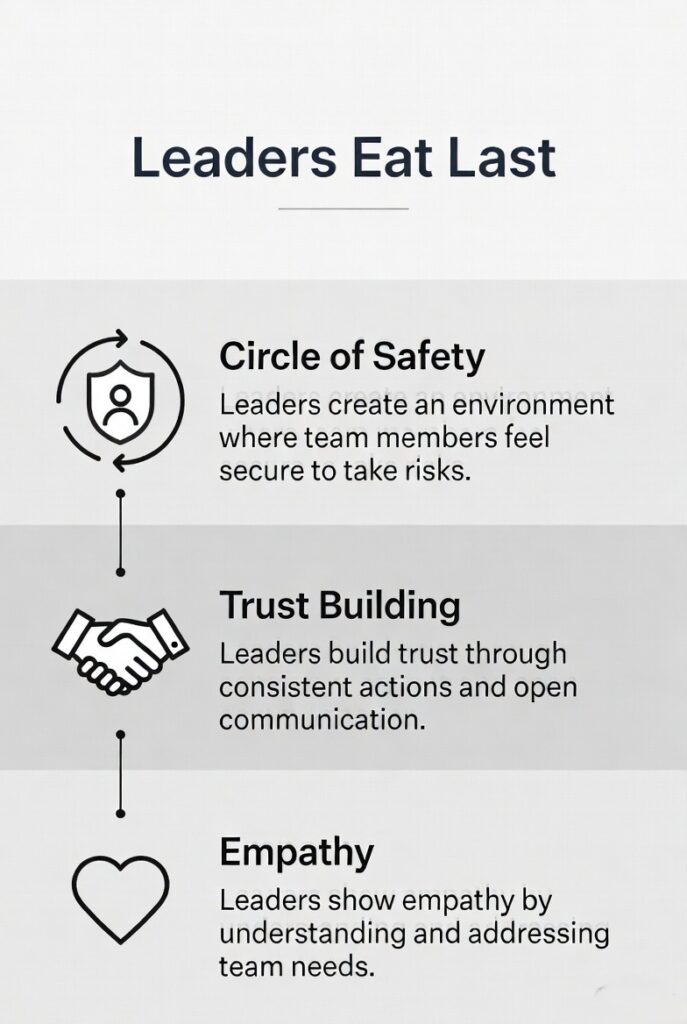
At the heart of the book is the “Circle of Safety.” Imagine a protective ring around your team. Inside, people feel secure enough to take risks, share ideas, and support each other. Outside are the dangers—market competition, economic uncertainty, internal politics. Great leaders expand this circle, making sure everyone inside feels protected.

Sinek contrasts this with organizations that operate on fear. He shares stories like the one about a company where layoffs were frequent, creating a dog-eat-dog atmosphere. Employees stopped collaborating because helping a colleague might mean losing your own spot. The result? Stagnation and decline.
One of the most compelling parts is how Sinek ties this to biology. Humans evolved in tribes where safety meant survival. When we feel threatened, cortisol (stress hormone) spikes, impairing creativity and empathy. When safe, we cooperate. This explains why some companies weather storms while others crumble.
He uses the example of the Marines—officers eat last not just as ritual, but as a daily reminder of sacrifice. In business, this means leaders taking the hit on bonuses during tough times or standing up for their team against unfair demands from above. It’s not weakness; it’s strength that builds unbreakable loyalty.
Breaking Down the Book’s Structure and Key Lessons
Leaders Eat Last is divided into parts that build logically. Part One explores “Our Need for Leadership,” diving into why we crave safety and how modern workplaces often destroy it through abstraction—treating people as numbers on a spreadsheet rather than humans with families, dreams, and fears.
Sinek argues that leadership isn’t about being the smartest or most charismatic. It’s about creating an environment where others can succeed. He shares anecdotes from companies like Costco, where the CEO took a modest salary and focused on employee welfare, leading to exceptional performance. Compare that to Enron or other fallen giants obsessed with quarterly numbers.

In the chemistry section, he warns about addiction to dopamine-driven metrics. Bonuses, stock prices, likes on social media—they give quick hits but erode the deeper connections oxytocin provides. Leaders who understand this balance create sustainable success.
Part Two delves into “Powerful Forces,” including how empathy and trust function as organizational lubricants. Trust isn’t soft; it’s practical. Without it, even the best strategies fail because information doesn’t flow, and people don’t go the extra mile.
One standout chapter discusses “The Abstract Generation”—how technology and distance make it easier to make cold decisions that harm real people. Sinek urges leaders to stay close to their teams, to know them as humans. Proximity breeds empathy.
He also tackles rules versus judgment. In safe cultures, people can break rules when it serves the greater good because they trust leadership’s intent. In fear-based ones, rigid adherence leads to absurdity. Think of the classic “that’s not how we do things here” that kills innovation.

Real-World Examples That Stick
Sinek doesn’t just theorize. He brings in stories from all walks:
- The Military: Beyond Marines, tales of generals who prioritized troop welfare.
- Business: Southwest Airlines’ Herb Kelleher, who built a fun, people-first culture that outlasted competitors.
- Failures: Companies that laid off workers ruthlessly, only to lose institutional knowledge and morale.
- Everyday Leaders: Teachers, coaches, parents who embody these principles.
These examples make the book feel alive and applicable. Whether you’re running a Fortune 500 or a small team, the lessons hit home. Sinek also addresses millennials, noting their desire for purpose and connection, but emphasizes these needs are universal.
He discusses how short-term thinking, driven by Wall Street pressures, undermines long-term health. Leaders must have the courage to say no to easy profits that harm the circle of safety.
Practical Takeaways You Can Apply Today
This book isn’t just inspirational—it’s actionable. Here are some key lessons expanded:
- Build Trust Through Consistency: Tell the truth, even when hard. Trust compounds like interest.
- Prioritize People Over Numbers: Sacrifice short-term gains to protect your team. Loyalty follows.
- Foster Oxytocin Moments: Regular human interactions—meals together, genuine check-ins—build bonds.
- Create Psychological Safety: Encourage experimentation. Celebrate learning from failure.
- Lead by Example: Eat last. Take the smaller share. Show vulnerability.
- Balance Chemicals: Reward achievements (dopamine) but nurture relationships (oxytocin).
- Stay Human: Avoid abstraction. Meet people face-to-face.
- Expand the Circle: Include more people, break down silos.
- Courage Over Comfort: Do the right thing, even if unpopular.
- Measure What Matters: Culture, engagement, long-term health—not just quarterly reports.
Implementing these can transform your work life. Start small: Next meeting, ask your team how they’re really doing. Share a personal story. Protect someone from unfair criticism.
Ikigai Book Review for Indian Readers: Finding Purpose, Longevity & Balance in Modern Indian Life

Potential Criticisms and Balanced View
No book is perfect. Some readers find Sinek’s examples repetitive or overly idealistic. Not every organization can ignore Wall Street pressures entirely. The military analogies, while powerful, may not translate perfectly to corporate settings with different incentives.
Also, while biology is fascinating, some might want more data-driven studies alongside the anecdotes. Sinek acknowledges challenges but focuses on the aspirational. That’s its strength—it’s a call to better leadership, not a rigid formula.
That said, the core message holds: When leaders prioritize people, everything else improves—innovation, retention, customer satisfaction, profits.
Who Should Read This Book?
Everyone. Aspiring leaders, seasoned executives, team members wanting to understand dynamics, entrepreneurs building culture from scratch, even parents or community organizers. It’s especially timely in our remote, AI-driven world where human connection feels scarcer.
If you’re in a toxic environment, it might validate your feelings and inspire change. If you’re leading, it equips you with tools to do better.
save your time before choosing a book to read with my reviews
Final Thoughts: A Timeless Manual for Human- Center Leadership
Leaders Eat Last isn’t about quick fixes or hacks. It’s a reminder of our shared humanity. In a world obsessed with metrics and disruption, Sinek calls us back to basics: care for each other, build safety, lead with courage and empathy.
Finishing this book, I felt hopeful. We can create better workplaces, better teams, better societies—one leader at a time. The title’s lesson lingers: True power comes from service. When leaders eat last, everyone feasts on success, loyalty, and fulfillment.
Whether you’re new to Sinek or a fan, this book deserves a spot on your shelf. It will change how you see leadership and, hopefully, how you practice it. Pick it up, read it with a highlighter, and share the insights. Your team—and you—will thank you.
visit to me at QUORA